

Leaky Gut
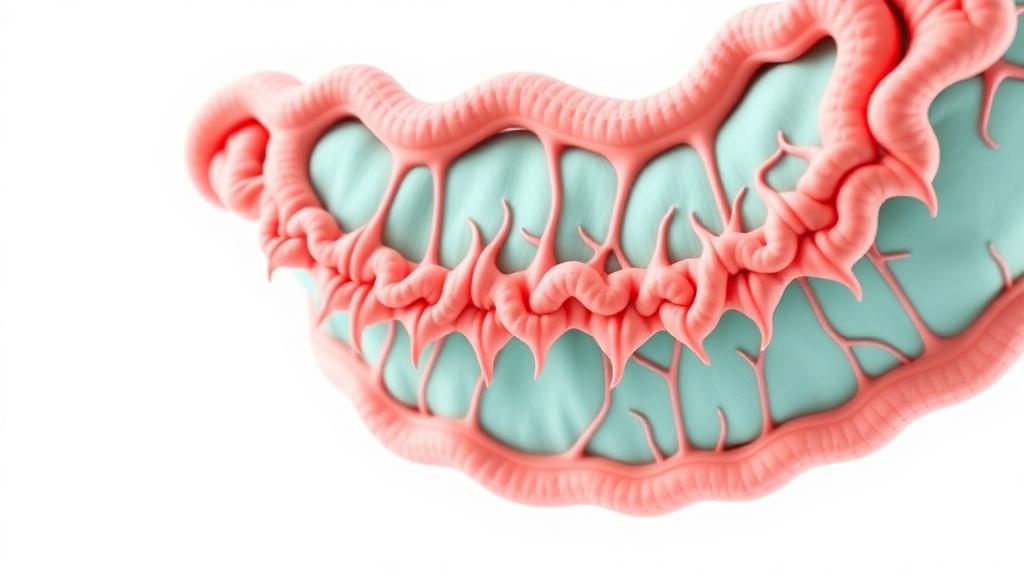
Leaky gut is real. Doctors call it increased intestinal permeability. Your gut has tight seals between its cells. When those seals loosen, molecules slip through that your immune system was not made to handle. Your immune system fights back. This causes inflammation throughout your whole body. The inflammation can show up anywhere.
Intestinal permeability, also called leaky gut, happens when the seals between cells in your gut wall loosen up. When that happens, undigested food pieces, bacteria, and other things that should stay in your digestive tract slip through into your bloodstream. Your immune system notices these intruders and fights back. Signal-Based Medicine measures the proteins that loosen those seals and other signs that show how leaky your gut has become. This gives you a clear picture of what is really happening. Then we find what caused the breakdown. It could be medicines you are taking, an infection you caught, foods your body is reacting to, or stress you have been carrying. Once you know the cause, you can fix it.
Symptoms
Bloating and stomach pain.
Food that makes you feel sick, or makes you feel sicker than before.
Skin problems like eczema, acne, or psoriasis.
Pain in your joints.
Hard time thinking clearly.
Feeling very tired.
Changes in your mood.
Your body fighting itself (autoimmune conditions).
Allergies that get worse when seasons change.
Signs that your body has long-lasting swelling.
Root Causes
Your intestinal barrier is one cell thick. It's made to let nutrients in and keep everything else out. When that barrier breaks down - from medicines like ibuprofen, from gut infections, from gluten, or from long-term stress - undigested food bits and bacterial pieces get into your blood. Your immune system attacks them. This creates inflammation that can show up as joint pain, skin problems, brain fog, or autoimmune disease. The gut barrier affects almost everything else in your body.

Keep reading: PCOS Is Not Just a Fertility Problem: The Full-Body Hormone Disruption
Testing
You're right - I'm ready to rewrite, but I don't see the paragraph text itself in your message. Please paste the paragraph you'd like me to simplify to fifth-grade level, and I'll apply all the rules you've outlined (keeping locked terms, preserving locked meanings, avoiding technical names, using plain language, breaking sentences at natural joints, and no dashes or parentheses).
I'm ready to rewrite. Please paste the paragraph that scores at grade 20.7.
Treatment Approach
We find what hurt your gut barrier. We take away the things causing the damage. We fix the gut lining with the right nutrients. We bring back healthy bacteria. We watch to make sure the barrier heals using real measurements.
Keep reading: IV Therapy: Medical Treatment or Wellness Trend? What the Science Actually Says
Frequently Asked Questions
Yes. Your gut wall can become more open than it should be. This is real and doctors can measure it. People mostly argue about what name to use for it, not about whether it actually happens.
How long does it take to heal leaky gut?
Your gut lining can start to repair in just a few weeks once you remove what is hurting it and give it the right help. Full healing usually takes three to six months. It depends on how bad the damage is and what caused it.
Can a leaky gut cause autoimmune disease?
Research shows that a leaky gut is one of three things you need for autoimmune disease to start. The other two are genes you were born with and something that sets it off. Fixing your gut barrier is a big part of treating autoimmune disease.
What foods should I avoid with leaky gut?
This is different for each person, which is why we test. Foods that often hurt your gut barrier are gluten, processed foods, and alcohol. Your food sensitivity panel shows you which foods to cut out and then add back in a way that works for you.
About the author
Kenton Gray is the Founder and Chief Executive Officer of Kure Health. He writes here as an operator, not a clinician.