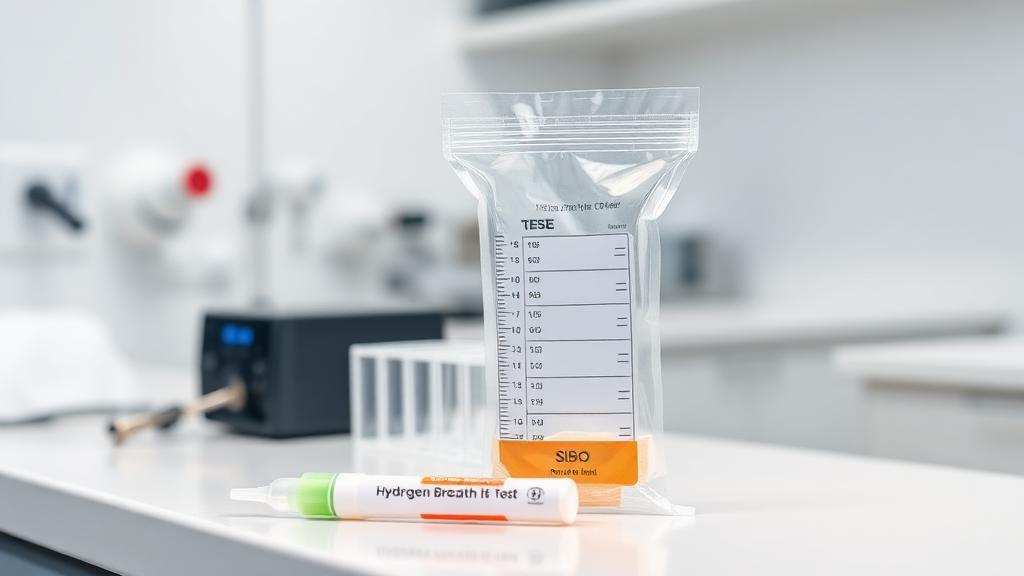


Sibo
When bacteria grow too much in the small intestine instead of staying in the right place, they break down food and make gas. That gas causes bloating, belly pain, and changes in how often you go to the bathroom. This pattern of symptoms is so common that most people think it is just how their body works. A breath test can show whether this bacterial overgrowth is happening. Most stomach doctors do not run this test as part of their normal checkup, so the real cause stays hidden and people keep treating the symptoms instead of fixing the problem.
Small intestinal bacterial overgrowth happens when bacteria from the large intestine move into the small intestine. These bacteria make hydrogen or methane gas. This gas causes bloating, pain, and stops your body from taking in nutrients it needs. Signal-Based Medicine looks at more than just the overgrowth. It also looks at why it happened in the first place. Maybe your intestines are not moving food through the right way. Maybe your immune system is not working well. Maybe there is a structural problem. Signal-Based Medicine finds these underlying causes.
Symptoms
Your belly gets puffy as the day goes on. You have belly pain and cramping. You get too much gas. You have diarrhea, then constipation, or they switch back and forth. You feel sick to your stomach. Some foods give you trouble, especially ones with lots of hard-to-digest carbs. Your body does not get enough vitamins like B12, iron, and vitamins A, D, E, and K. You feel tired. You have a hard time thinking clearly. Your skin gets red and bumpy.
Root Causes
Your small intestine has a cleaning wave that sweeps bacteria downward between meals. When this wave gets weak or broken, bacteria move upward instead and settle where they shouldn't. This is not a random infection. It is a motility problem, meaning the muscle contractions that keep things moving are not working right. Food poisoning, low thyroid function, certain medicines, or nerve damage can all break this cleaning wave. Here is the catch: killing the bacteria without fixing the cleaning wave is why the problem comes back in more than half of cases. You can clear out the bacteria. If the wave stays broken, they will move back in. The bacteria are not the root problem. The broken wave is.

Keep reading: PCOS Is Not Just a Fertility Problem: The Full-Body Hormone Disruption
Testing
When your gut bacteria are out of balance, they can produce extra gas that shows up in your breath. A breath test catches that. Your stool tells a story too: a comprehensive stool analysis looks at what is living in there and what is not. Your thyroid runs a lot of what happens downstream, so a thyroid panel matters. An organic acids test shows what your cells are actually doing with the fuel you give them. Your gut wall has tight junctions that act like a security checkpoint, deciding what gets through and what stays out. A protein that loosens those junctions can let things slip past that should not. The KureBioMap assessment pulls these pieces together so you can see where the actual problems are, not just guess.
Treatment Approach
We treat two things at once: the overgrowth and what caused it. We use medicines to kill the extra bacteria. We help your gut move food the right way again. We fix the real problem, whether it is your thyroid, how your gut moves, or something blocking it. All of this is guided by KureBioMap data so we know what will work for you.
Keep reading: IV Therapy: Medical Treatment or Wellness Trend? What the Science Actually Says
Frequently Asked Questions
Why does my gut keep acting up the same way?
Bacterial overgrowth comes back because regular treatment only kills the bacteria. It does not fix why they grew too much in the first place. The real problems are things like slow digestion, low stomach acid, thyroid problems, or damage inside. We fix all of these layers.
What's the difference between hydrogen and methane SIBO?
Your gut bacteria can produce two different gases. One type of gas speeds things up and usually causes loose stools. The other type slows things down and usually causes constipation. Some people make both kinds. What you do about it depends on which one is giving you trouble.
Can I fix my digestion with diet alone?
A low-FODMAP diet helps you feel better because it starves the bacteria that are fermenting your food and making gas. But starving them is not the same as getting rid of them. Once you go back to eating normally, they come roaring back. Real treatment needs medicine to actually kill the bacteria, plus something to make your gut move food through at the right speed. That way the bacteria cannot set up shop again in the first place.
Yes. When bacteria grow too much in your small intestine, it shows up with rosacea, restless leg syndrome, low thyroid, fibromyalgia, autoimmune conditions, and nutrient deficiencies. It almost never travels alone. That is exactly why Signal-Based Medicine looks at your whole body, not just one part.
About the author
Kenton Gray is the Founder and Chief Executive Officer of Kure Health. He writes here as an operator, not a clinician.