Herbs and habits for the lymphatic system
7 min read · Updated September 21, 2026
The short answer
The lymphatic system has no pump, so it moves on muscle contraction, breathing and pressure change. Traditionally supportive herbs include cleavers, red root, calendula, echinacea root, burdock and ginger. Herbs help, but walking, deep breathing, hydration, dry brushing and castor oil packs do most of the work.
The system with no pump
Your circulatory system has a heart. Your lymphatic system has nothing — it carries roughly twice the volume of your blood and moves entirely on external forces: skeletal muscle contraction, the pressure change of breathing, and manual pressure from outside.
The practical consequence is blunt. If you sit still, breathe shallowly and drink too little, your lymph slows down. That is the mechanism behind the puffiness, heaviness and sluggishness people describe after a sedentary week, and it is why lymphatic support is where a drainage phase begins.
The herbs traditionally used
Western and Eastern herbal traditions converge on a recognisable group of plants here.
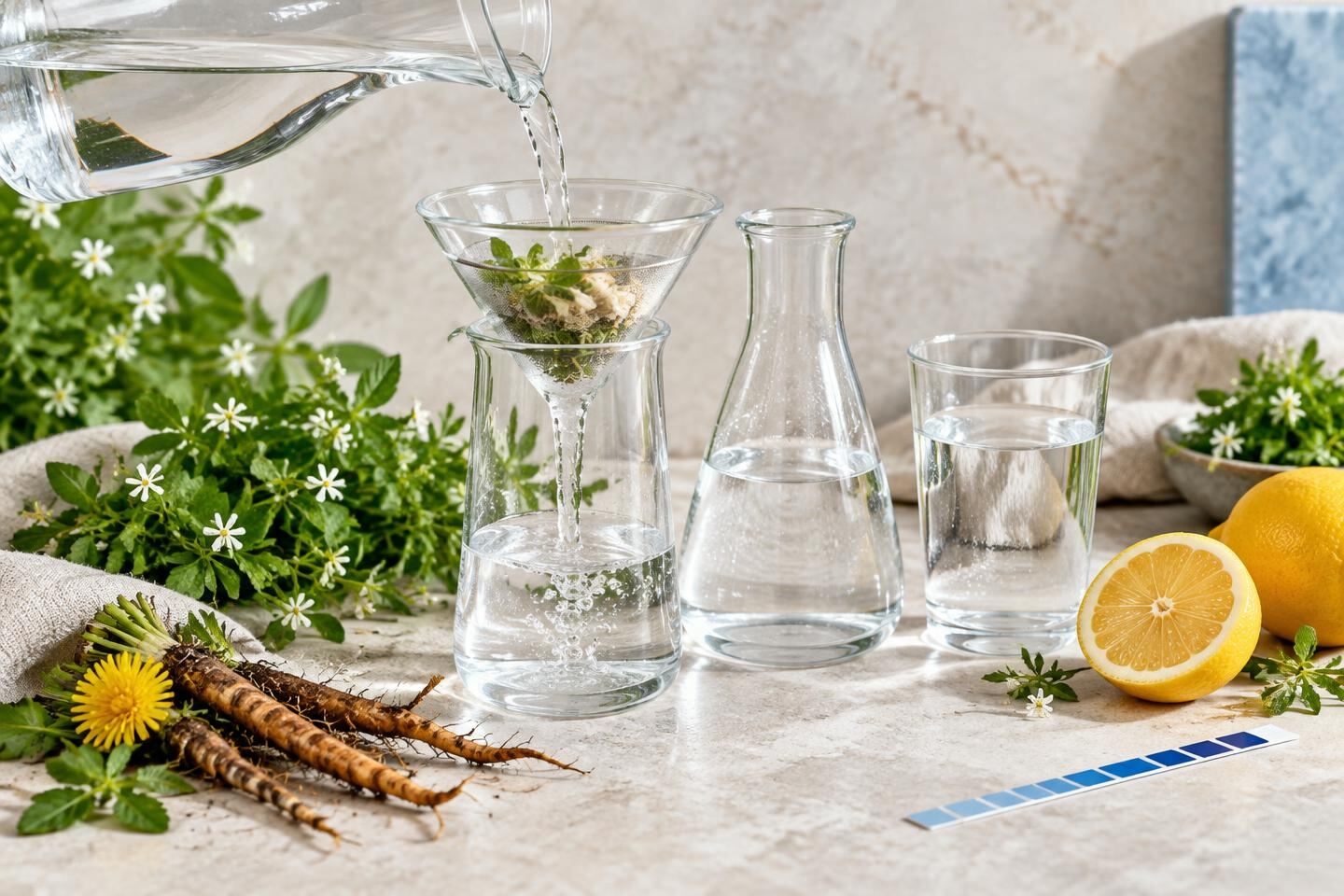
- Cleavers (Galium aparine) — the classic Western lymphatic, used as a gentle daily infusion.
- Red root (Ceanothus) — traditionally used where lymph feels congested and boggy.
- Calendula — gentle lymphatic and tissue support, pleasant enough for daily use.
- Echinacea root — a traditional lymphatic in its own right, distinct from the immune-season framing it is usually sold under.
- Burdock root — a bitter that supports both lymphatic movement and elimination through the liver and bowel.
- Ginger and cayenne — circulatory stimulants that warm the tissue and help everything move.
- Dandelion leaf — supports fluid balance, which is often what "puffy" really means.
The habits that matter more
An honest article has to say this: the herbs are the supporting cast. The daily practices are the lead.
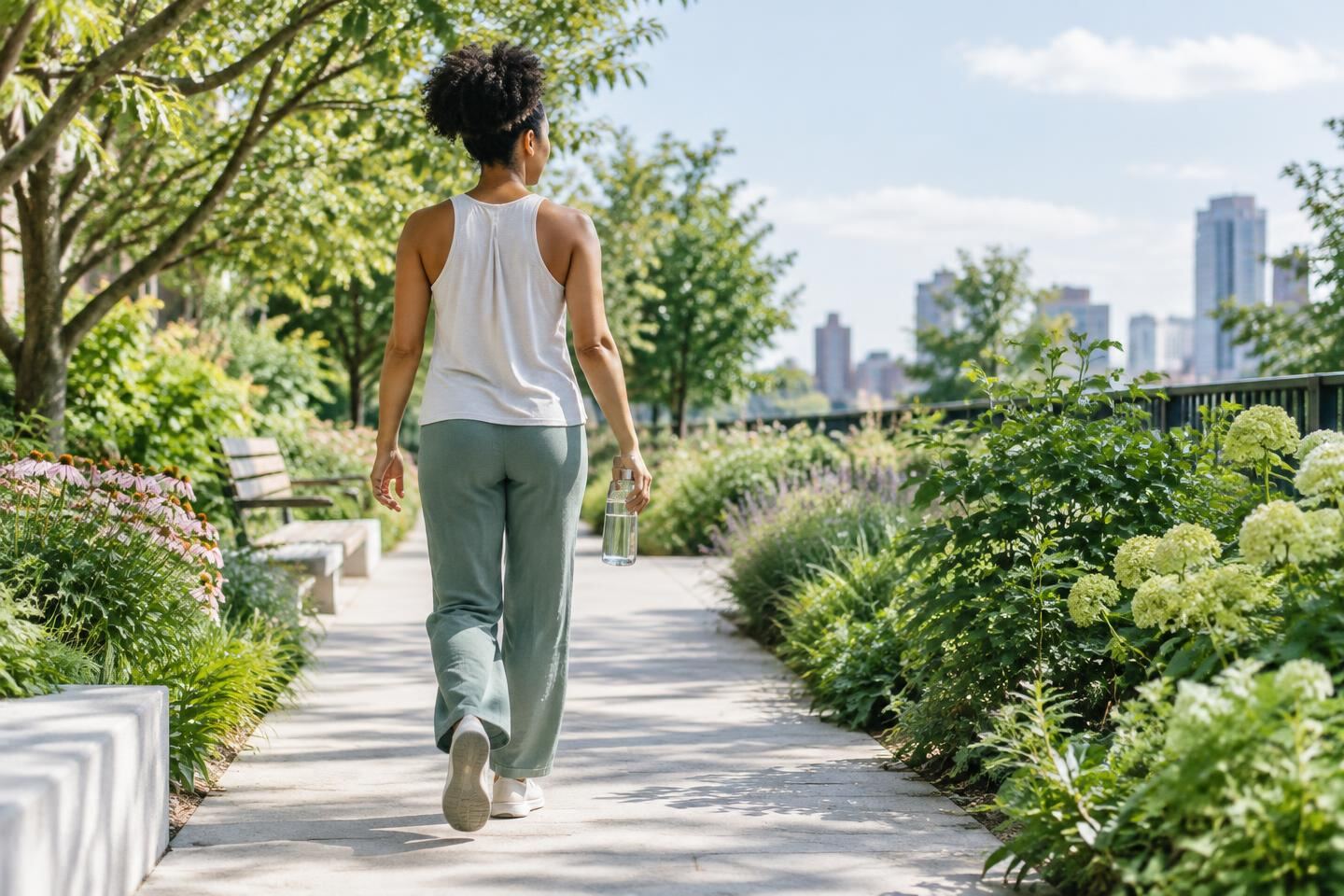
Walk for twenty minutes. Breathe slowly through your nose, deeply into the diaphragm, several times a day — diaphragmatic movement pumps the thoracic duct, the largest lymphatic channel in the body. Drink enough water that lymph is not thickened. Dry brush toward the heart before showering. Use a castor oil pack a few evenings a week. Alternate hot and cold at the end of a shower.
Do those things and add a lymphatic infusion, and you have a real routine. Add the infusion to a sedentary, dehydrated week and you have a pleasant cup of tea.
What to expect and when to seek care
Lymphatic support works on a slower timeline than digestive or sleep support. Give it three to eight weeks of consistency. The markers are reduced morning puffiness, clothes and rings fitting more consistently, less heaviness in the legs after sitting, and a general sense of being less swollen.
Some cautions. Persistent one-sided swelling, swelling with redness, heat or pain, a hard or fixed lump, or swelling after cancer treatment or lymph node surgery all need medical assessment, not herbs. Lymphoedema is a clinical condition with proper management. And avoid diuretic-leaning herbs if you have kidney disease or take diuretics or lithium without provider review.
This article is general wellness education. It is not medical advice, and the products discussed are not intended to diagnose, treat, cure or prevent any disease.
Before you start anything here
Read the safety guide, and have your provider review your medication list. Pregnancy, breastfeeding, kidney or liver disease, bleeding disorders and several medication classes all change what is appropriate.
Herbal use & safetyQuestions people ask about this
Measured, not guessed
How we know whether a routine is working
Most of this category asks you to judge a cleanse by how you felt on day four. We do it the other way round. Kure reads the systems these routines support before you start and again after you finish, so the answer comes from your own data instead of a testimonial.
Diagnostics describe patterns in your own data. They are not a diagnosis, and Kure Essentials products are not intended to diagnose, treat, cure or prevent any disease.
Who wrote this
Jocelyne · Herbalist, Kure Essentials family
Jocelyne formulates the herbal blends in the Kure Essentials family. Her work comes out of a family tradition of plant medicine, decades of hands-on practice with clients, and a hard line on sourcing: whole herb, no fillers, nothing she would not give her own family.
- Herbal formulation
- Traditional preparation
- Sourcing and testing
Reviewed by Kure Clinical Team
Our clinicians and health coaches review every Kure Essentials guide against the same standards we use inside patient care: what the evidence supports, what it does not, and what we would actually tell a patient sitting in front of us.
How Kure reviews contentThe matching sequence
Open the Drain
Move the lymph and warm the tissue before you push anything harder.
See the packageShop the shelf
Herbal Teas
Whole-plant infusions for the systems that clear, calm and restore.
Browse herbal teas